
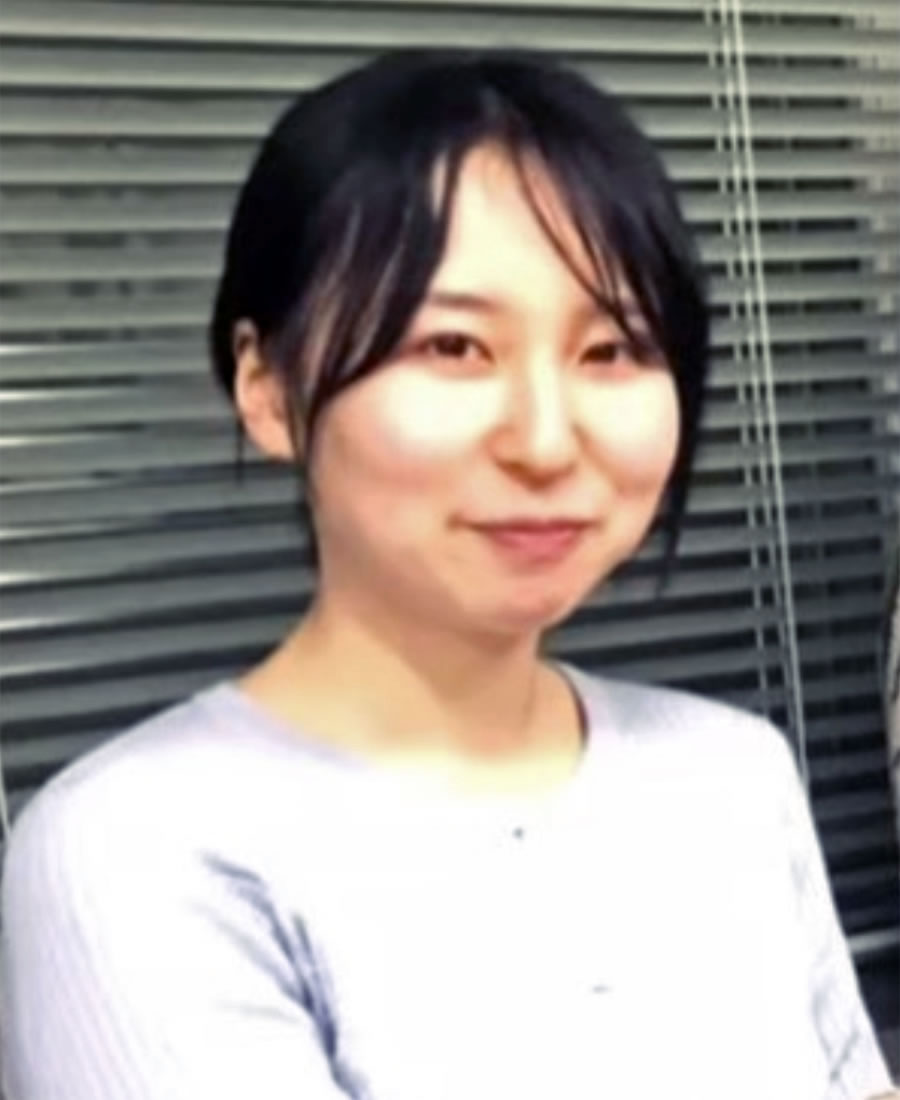
Yuka Kojima
Click on thumbnails and links for enhanced or enlarged content
Childhood (1991-)
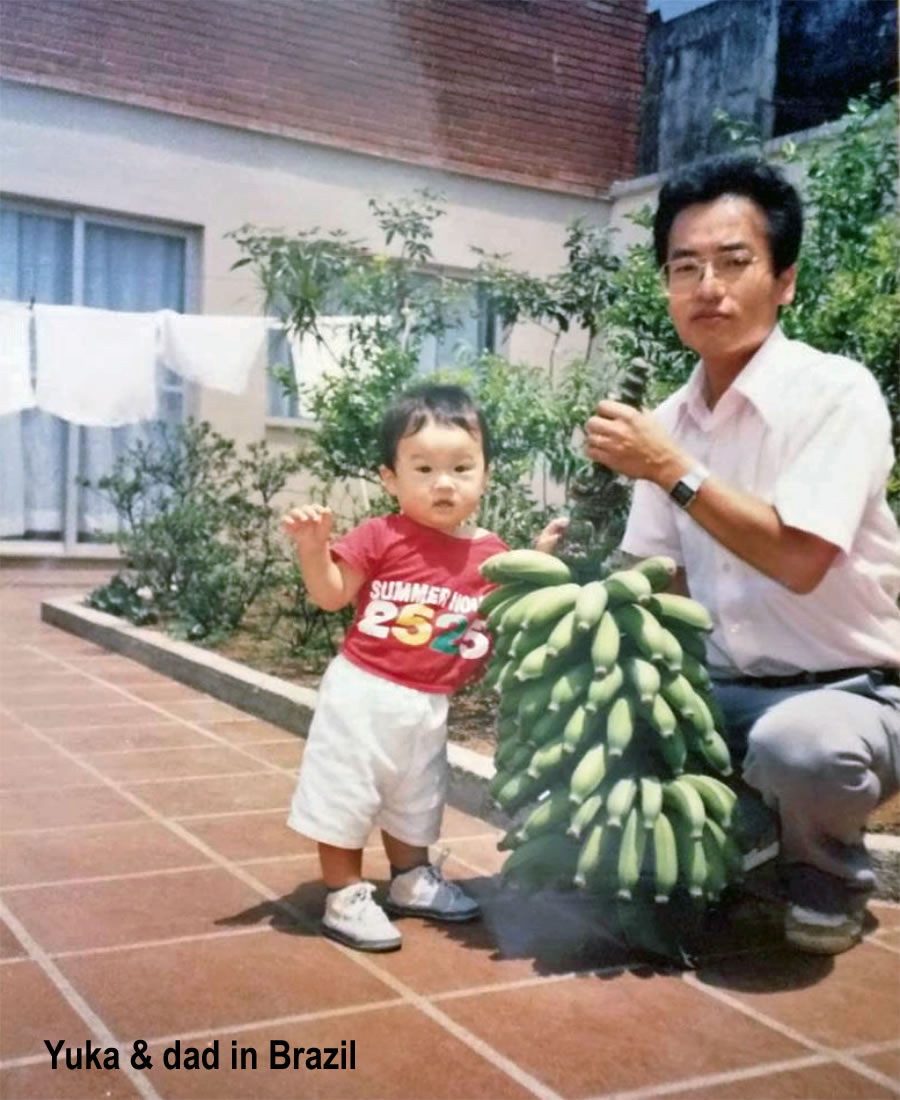
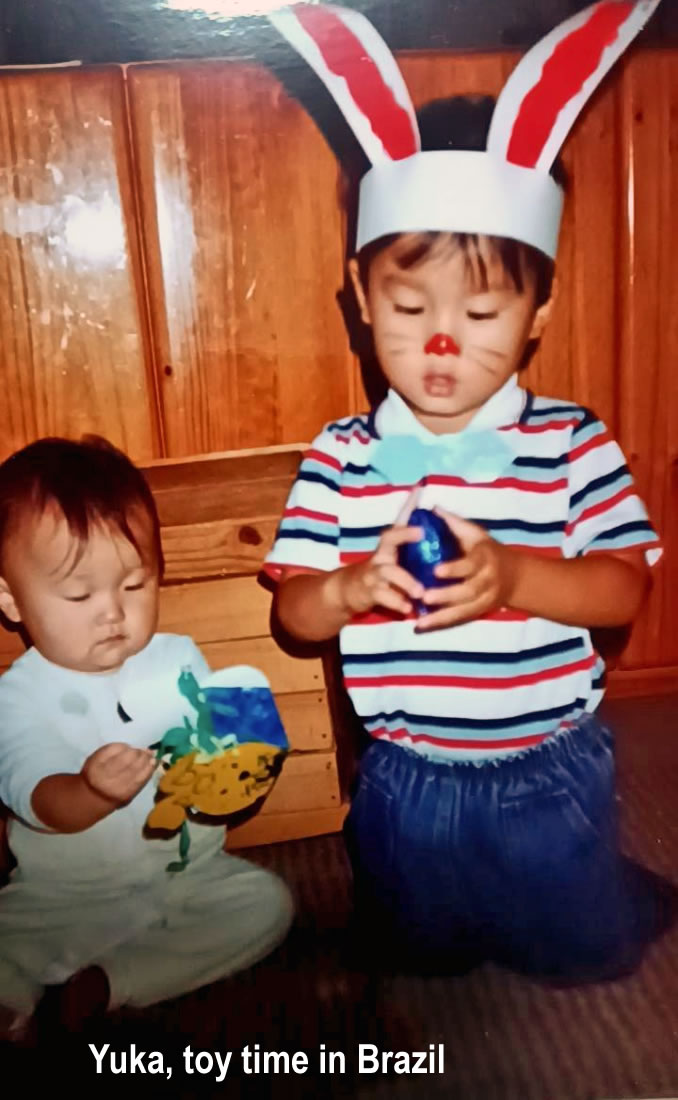
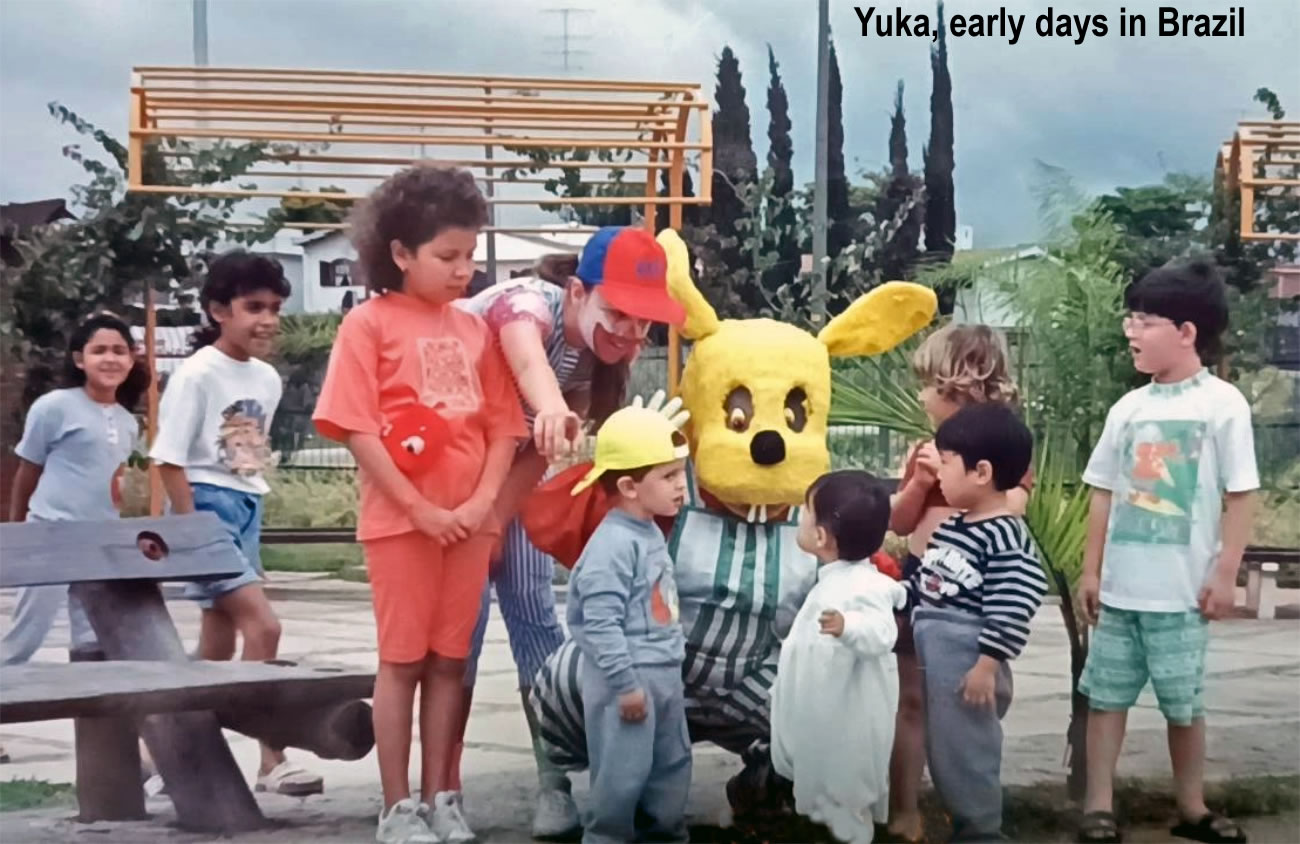
Although both of my parents are Japanese, I was born in São Paulo, Brazil, in 1991. My father moved to Brazil for work after graduating from university in Japan, engaging in the business of importing Brazilian products to Japan. My mother began living in Brazil at the age of 13 when her father (my grandfather) was transferred there for work. She told me that, at first, she struggled greatly because she didn’t understand Portuguese at all. Nevertheless, she gradually mastered the language and eventually graduated from a Brazilian university. While working at a bank in Brazil, she met my father, and they got married. Soon after their marriage my older brother was born, and three years later, I was born. When I was two years old, my parents decided to return to Japan, and we moved to Tokyo, the capital city of Japan. My earliest memory is of eating sweets in a small apartment in Tokyo. Although I have no memories of my time in Brazil, I have always thought of Brazil as my second home, and I hope to visit it someday.
Elementary School (1998–2004)
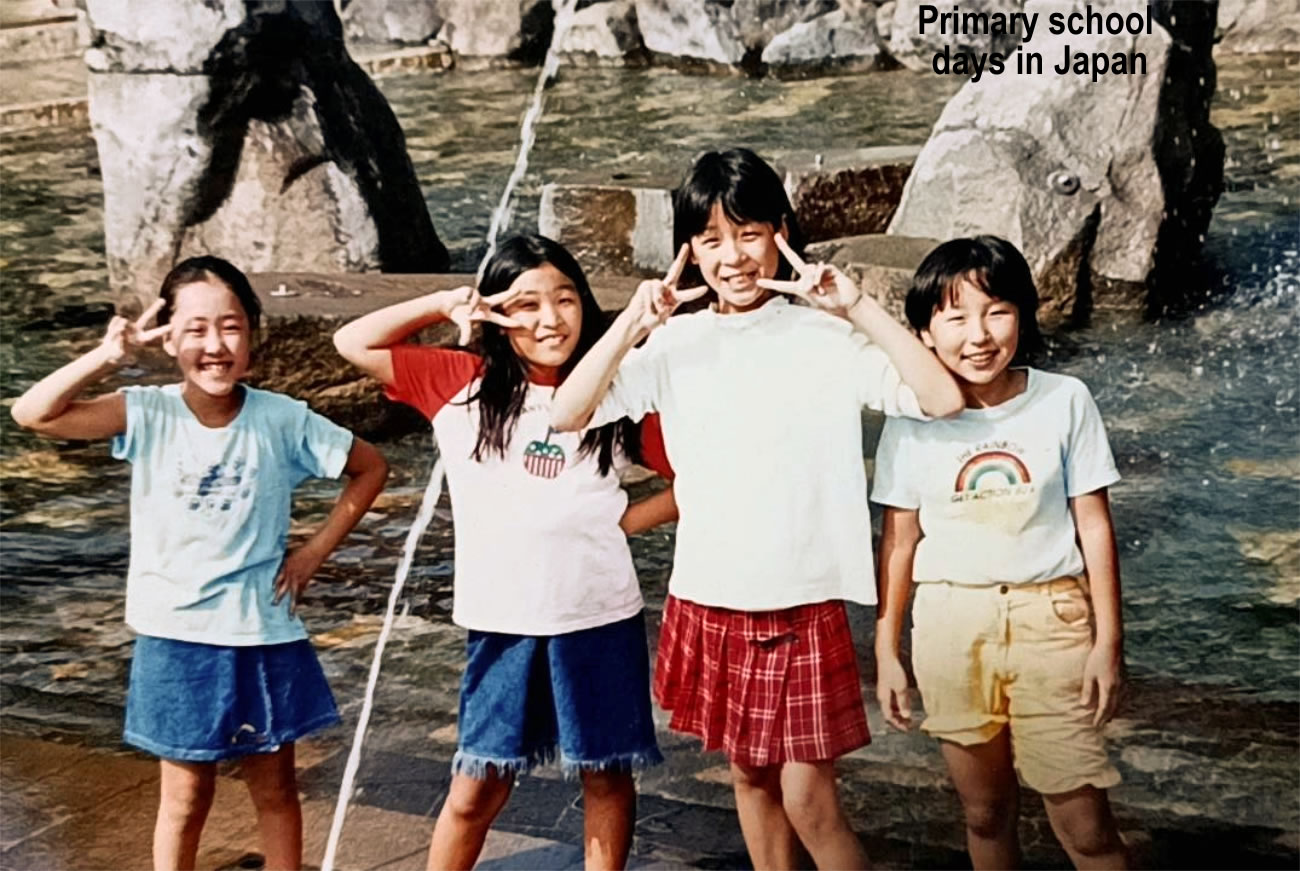
I started going to a public elementary school in Tokyo in 1996. Some of the classes I took there still stay clearly in my mind. In those classes, we thought about the future. Our teachers told us exciting things like, "In 10 years, you will not need paper tickets to ride trains," and "You will be able to see each other's faces on a screen while talking on the phone." But they also gave us warnings. They said, "If people keep harming the Earth, summers in Tokyo will get so hot that people cannot go outside," and "There will be more typhoons and heavy rain, and Tokyo will feel like a tropical place." (Sadly, these things are starting to happen now.) At that time, ten years felt like a very long time to me, and I did not really believe what my teachers said. But now, I realize that the education I received at that time helped me grow the belief that we must not only care about humanity but also about the Earth. This belief has unconsciously influenced my career choices up to now.
Junior High School and High School (2004–2010)
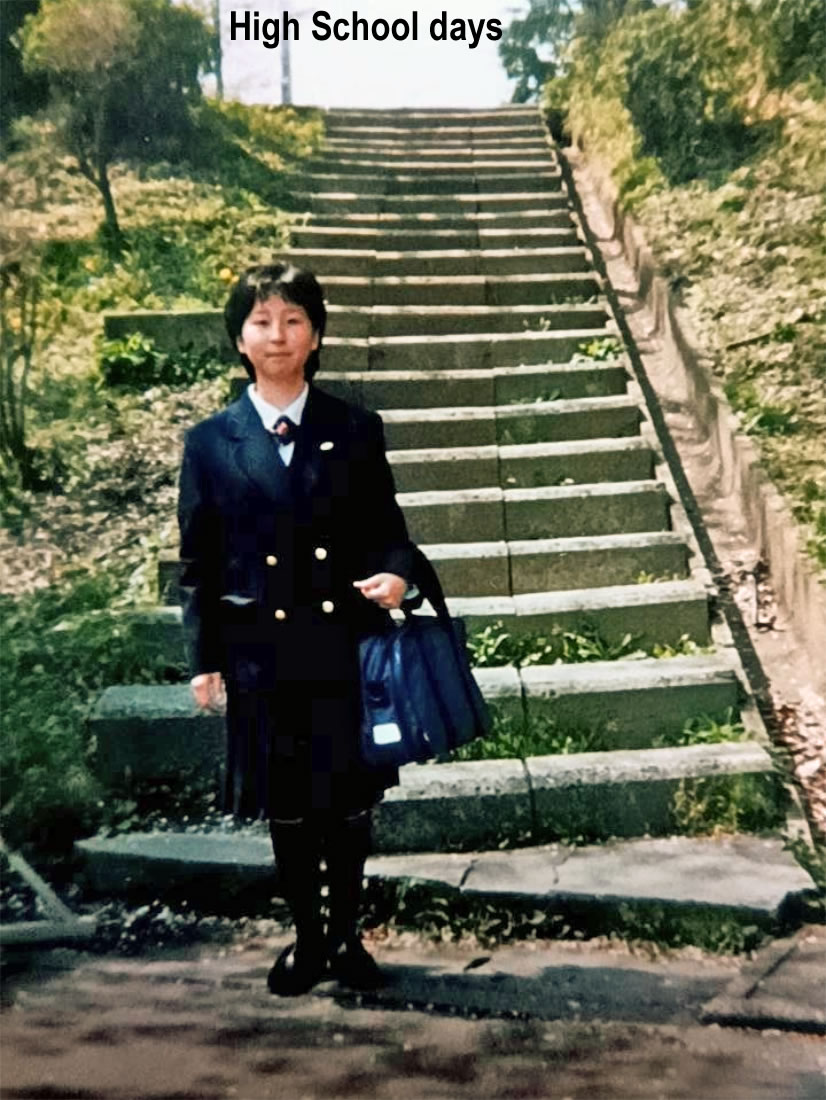
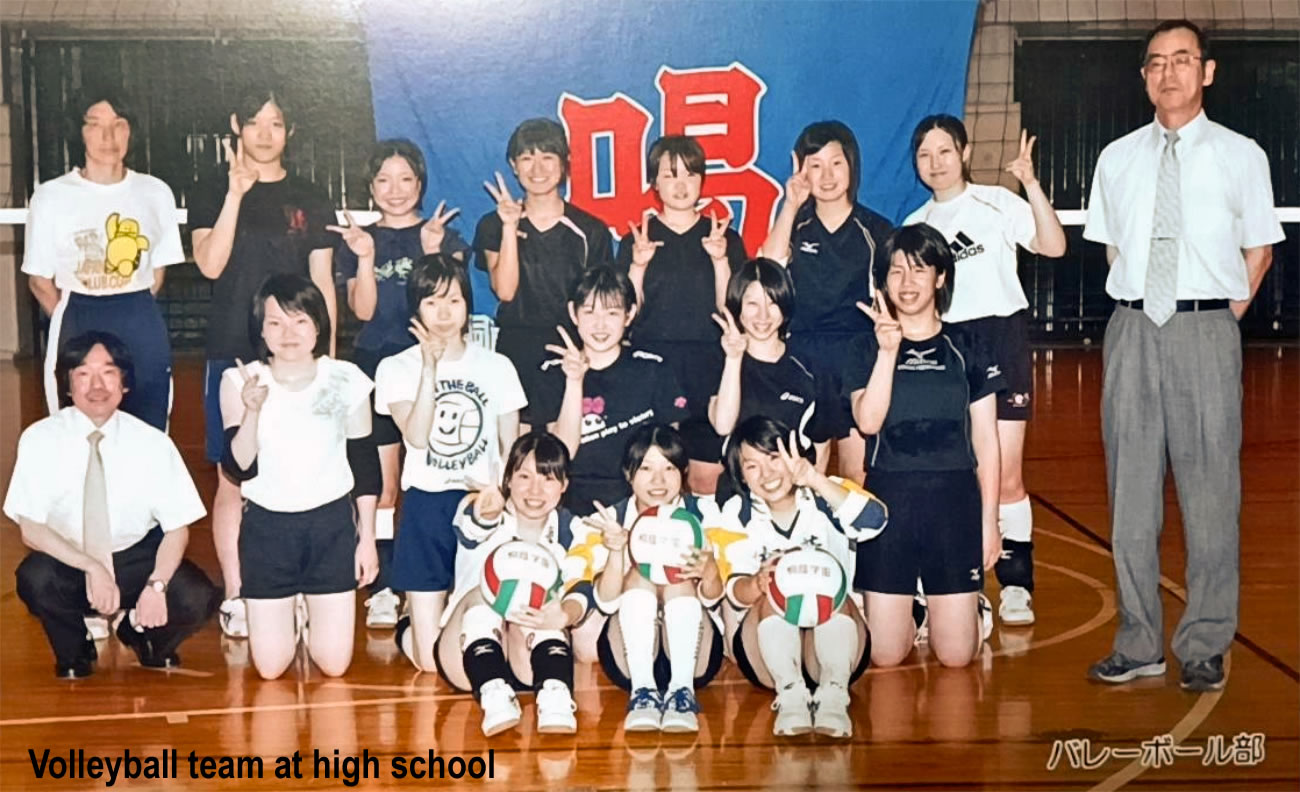
During junior high and high school, I was a member of the volleyball club. Every day, I left home at 6:00 a.m. for morning practice, attended classes, practiced again from 4:00 p.m. to 7:00 p.m., and then ate dinner and went straight to bed. In other words, volleyball was almost all I thought about. It was not until it was time to choose a university that I finally began seriously thinking about my future. At that point, the belief I had in elementary school to do something for the Earth came back to me. So, I decided to take the entrance exam to enter the Department of Environmental and Natural Resource Sciences at Tokyo University of Agriculture and Technology, which introduced itself with the motto: "Contributing to solving environmental problems and building a recycling-oriented society through research on the environment surrounding humanity, from the macro-level to the micro-level."
University (2010–2019)
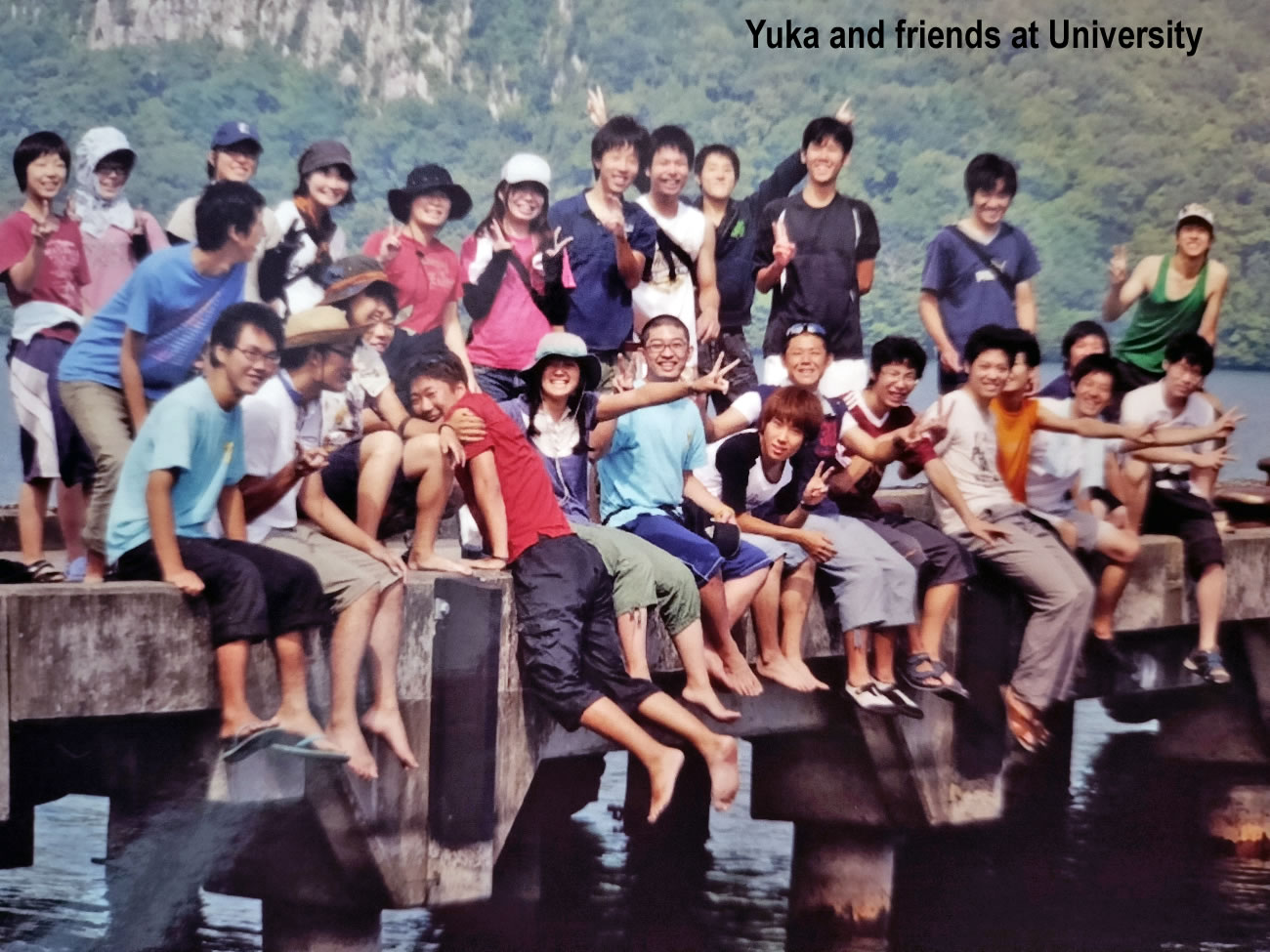
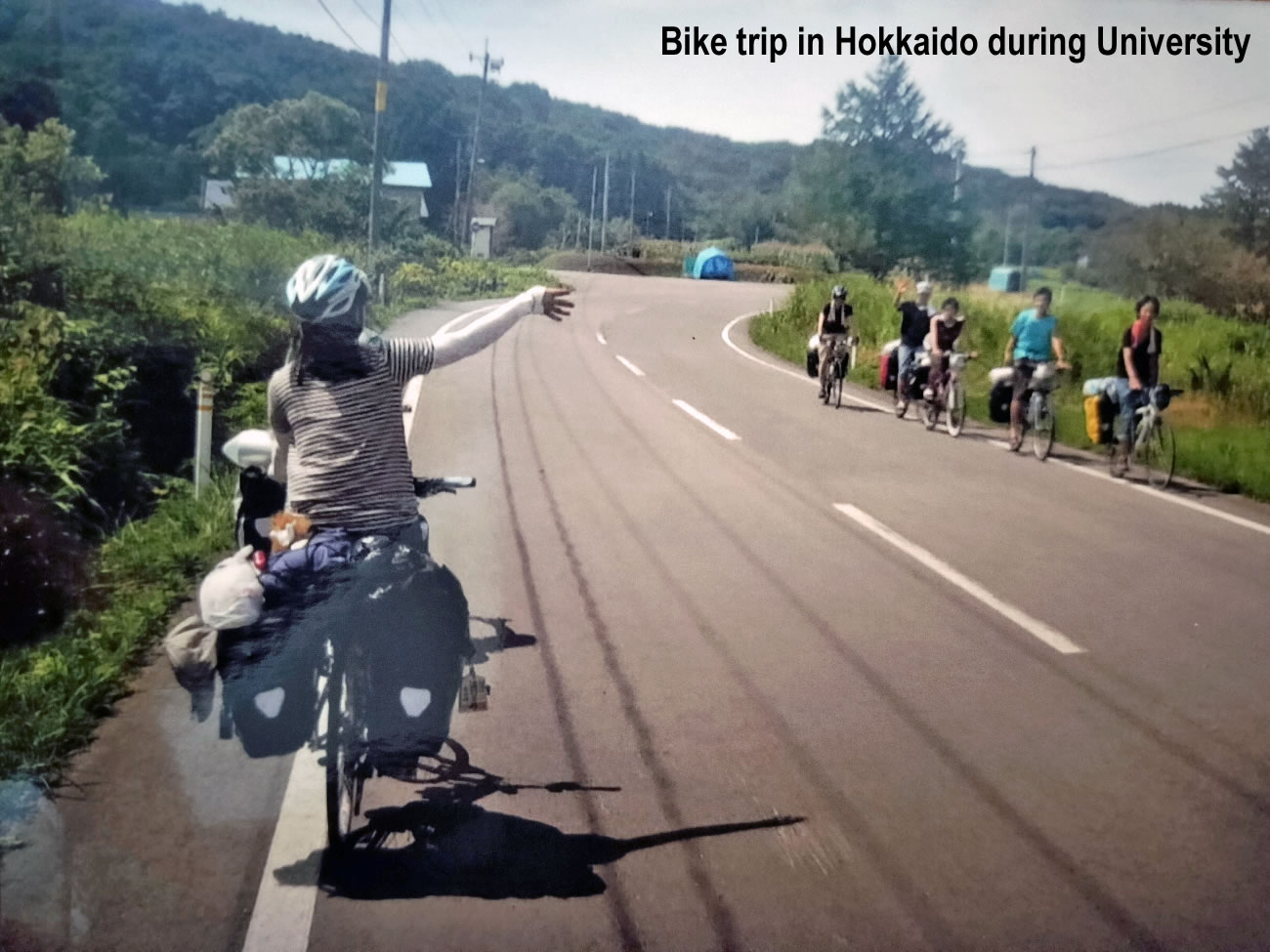
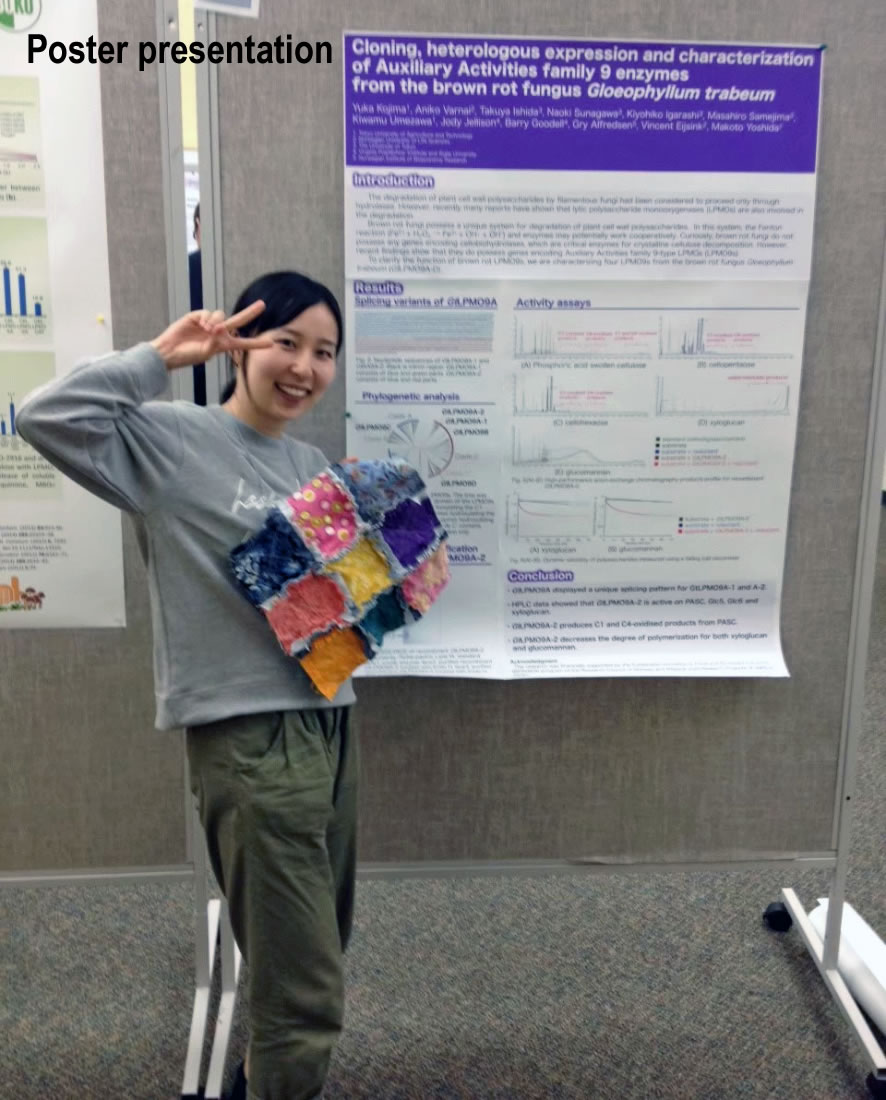
Going to the Department of Environmental and Natural Resource Sciences at Tokyo University of Agriculture and Technology was definitely one of the most important events in my life. One reason is that I met the person who would later become my husband, and I also developed many wonderful friends, which made my university life truly enjoyable. I traveled across Japan by bicycle with members of the cycling club, and I still clearly remember the beauty and excitement I felt when I climbed the mountains in Hokkaido and looked out over the landscape from the top. Another reason is that I experienced research for the first time and discovered how interesting it was. I chose Makoto Yoshida’s laboratory from about 20 different labs because I strongly agreed with their idea that "the key to solving environmental problems lies in the cycle where plants grow with the help of the sun and are broken down by microorganisms." Until then, my education had focused on quickly and accurately finding the correct answers, but research was different. It started with asking my own questions and discovering truths from different perspectives through trial and error, which was exciting and fun for me. I became especially interested in the degrading enzymes produced by wood-rotting fungi, the only organisms in nature that can completely decompose wood on their own. Their degrading enzymes have developed over about 200 million years and have incredibly clever structures and functions that go beyond human imagination. The more I researched, the more fascinated I became by this deep world, and new things I wanted to learn kept coming up. Eventually, I earned my Ph.D. in Makoto Yoshida’s lab.
Career (2019–Present)
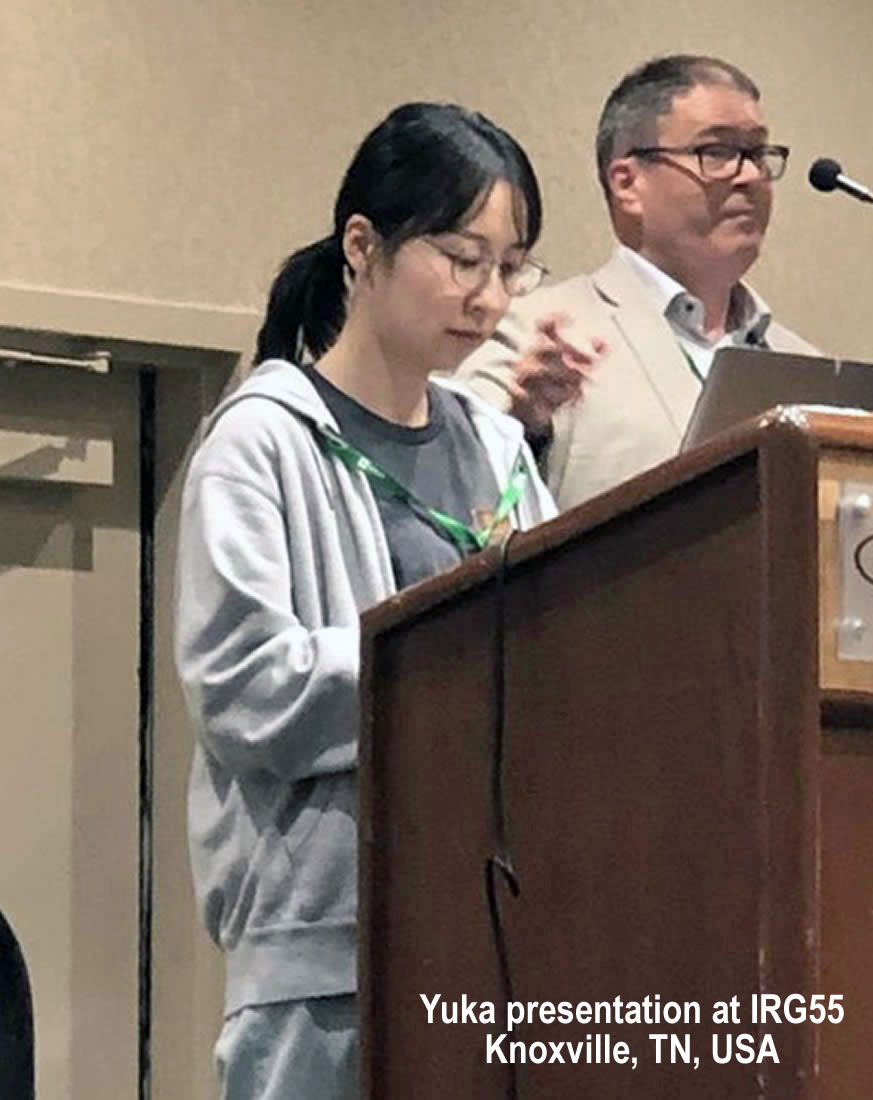
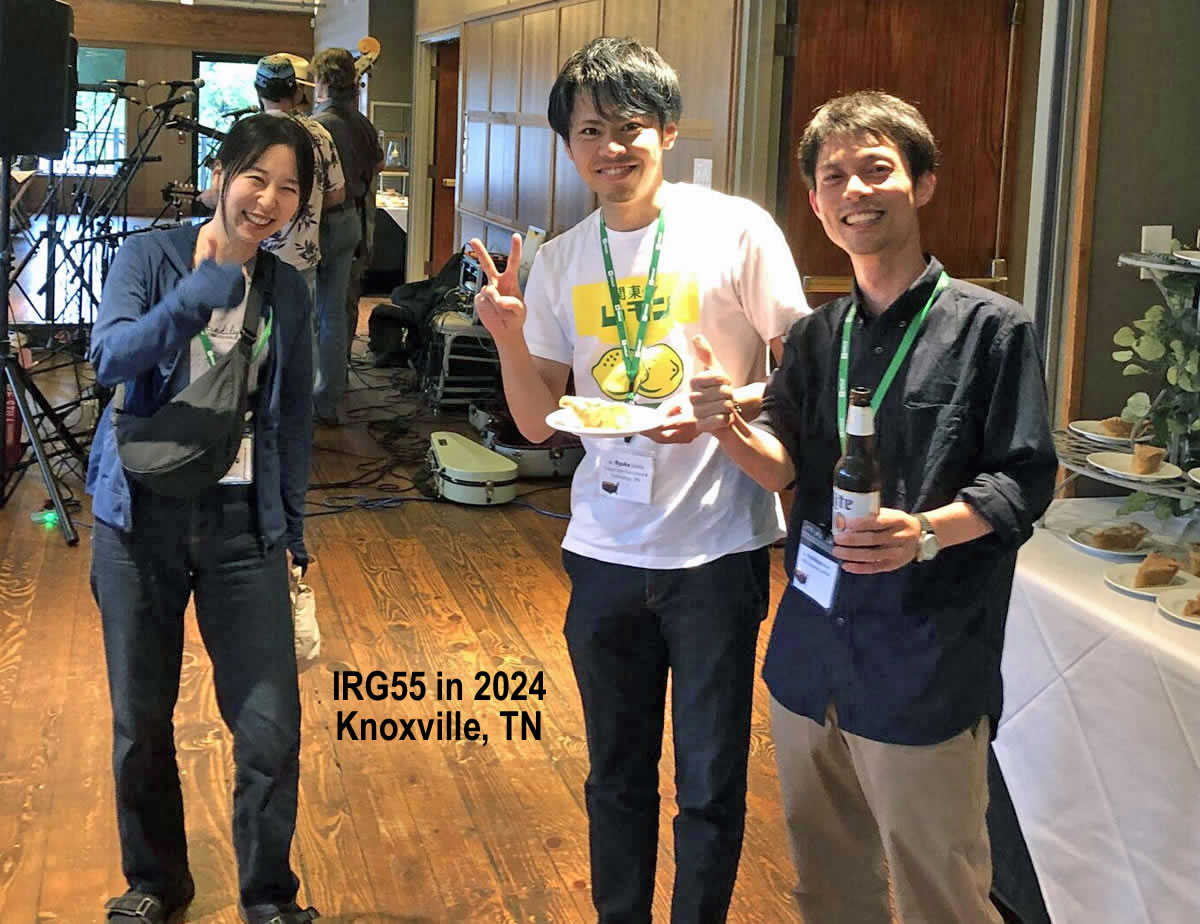
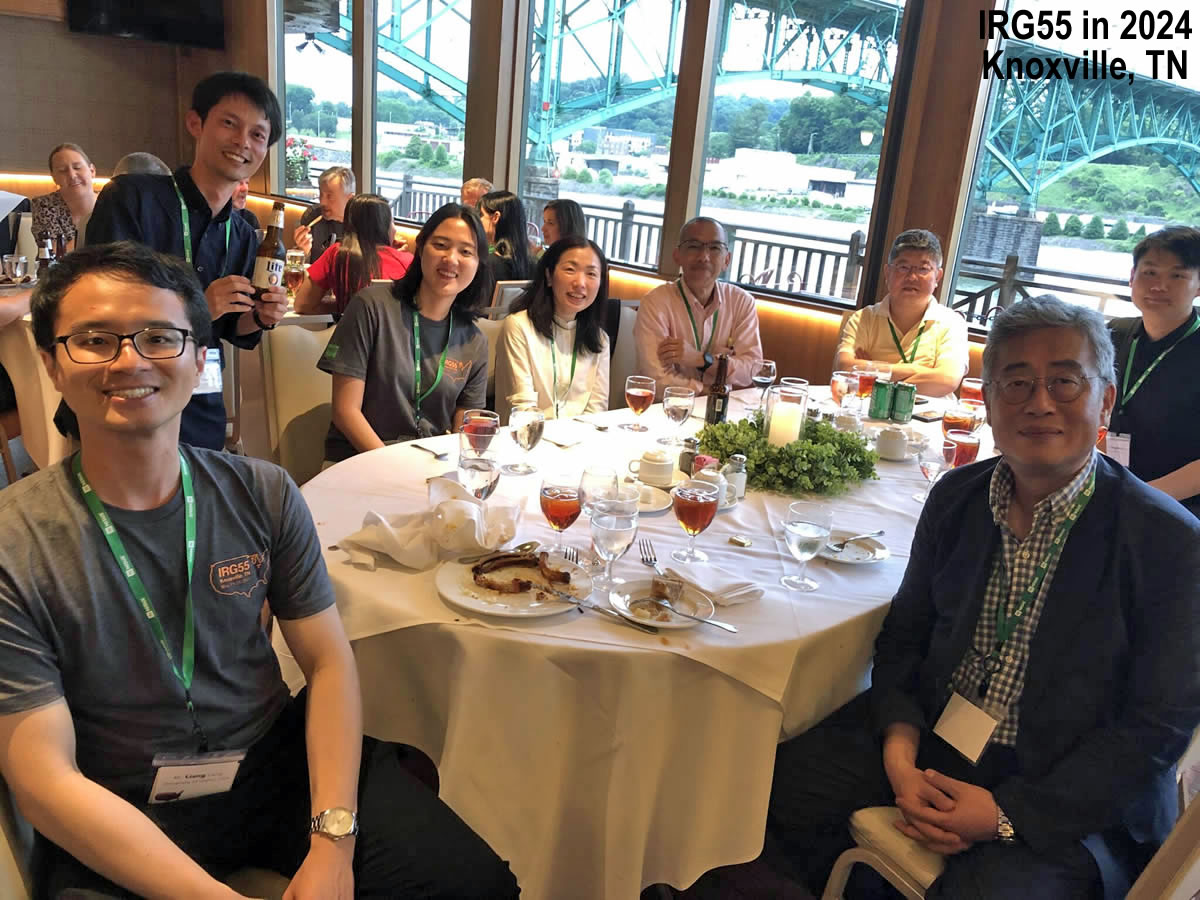
Even after completing my Ph.D., I remained very interested in enzymes and wood-rotting fungi and became increasingly eager to continue my research. At the same time, my wish to do something for the Earth through my research also became stronger. Fortunately, after I finished my Ph.D., I got a job as an assistant professor at Tokyo University of Agriculture and Technology, where I can follow both of these dreams. Since 2023, I have been part of the IRG, and since 2024, I have been working as a CC member and a member of the Local Organizing Committee for IRG56 Yokohama. The IRG gives me important opportunities to connect my research with what society needs. I would like to keep working with researchers at IRG to conduct studies that will contribute not only to humanity but also to the Earth.
Acknowledgments
I am deeply grateful to Professor Makoto Yoshida, who allowed me to freely explore research and introduced me to its joys. I also sincerely thank the many professors, postdoctoral researchers, and students who have supported my work. Finally, I would like to express my sincere thanks to my family, especially my husband, for always supporting me so warmly.
This bio was written for inclusion in the May 2025 IRG Newsletter